Garden Fence Models: A Step-by-Step Selection Guide for Villas and Detached Houses
Choosing between garden fence models may at first seem like a matter of appearance alone. Yet the right fence determines your home's privacy, the safety of your children and pets, how your garden deals with wind and dust, and even your maintenance workload over the years. In this guide we go step by step through the questions most often faced by owners of villas, detached houses and holiday homes, and at each step we explain which type of garden fence stands out. Our aim is not to impose a single “right model” on you, but to offer a roadmap so you can make the right decision for your own garden.
Step 1: Clarify What You Expect from a Garden Fence
Starting the selection by listing your expectations rather than with a product catalogue reduces the risk of a wrong investment. Most homeowners have several expectations at the same time; but the order of priority determines the model.
Privacy or marking the boundary?
If you do not want to be seen from the street or from the neighbour's garden, surfaces that block the view stand out. Louvre fence systems largely prevent the inside from being seen from outside thanks to their slats. If you only want to mark the boundary of the plot and keep the garden looking tidy, a panel fence or plastic wrought-iron style fence that does not completely close off the inside may be enough.
What level of security do you expect?
In a home garden, security mostly means making climbing harder and keeping the entrance under control. Here the fence height, post strength and gate choice should be considered together. Barbed or razor wire solutions used in industrial areas are generally not preferred in residential gardens, because they are not appropriate in terms of either appearance or neighbourly relations.
Aesthetics and architectural harmony
The colour of your façade, the colour of your window frames and your garden landscaping directly affect the colour and form of the fence. Straight-lined louvre fences suit villas with modern façades, while patterned plastic wrought-iron style fence models fit better with classic or country-style houses.
Step 2: Get to Know the Types of Garden Fence
There are four main systems most commonly used in residential gardens. Each has different strengths and limitations.
Louvre fence
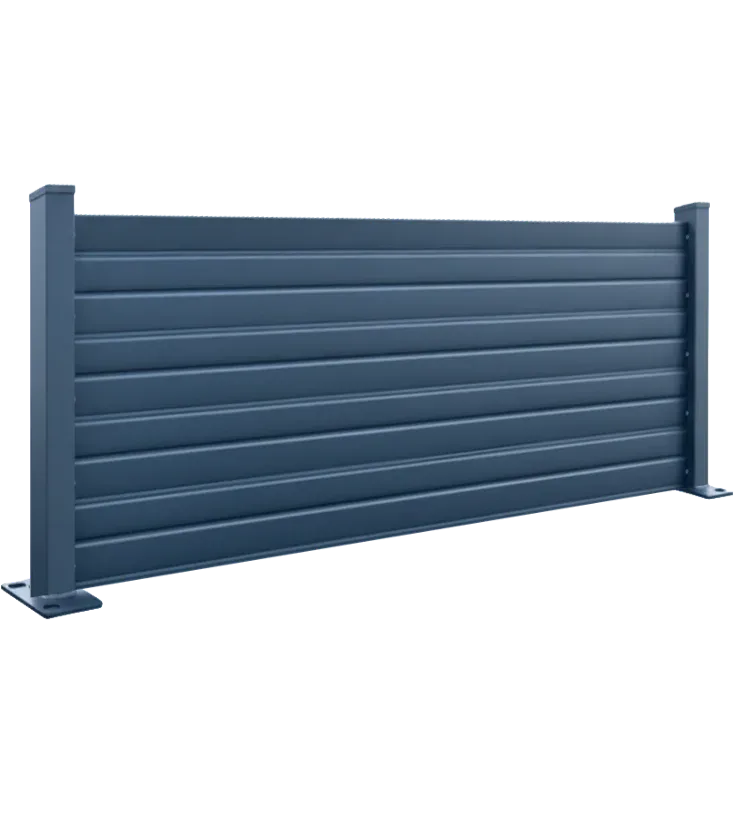
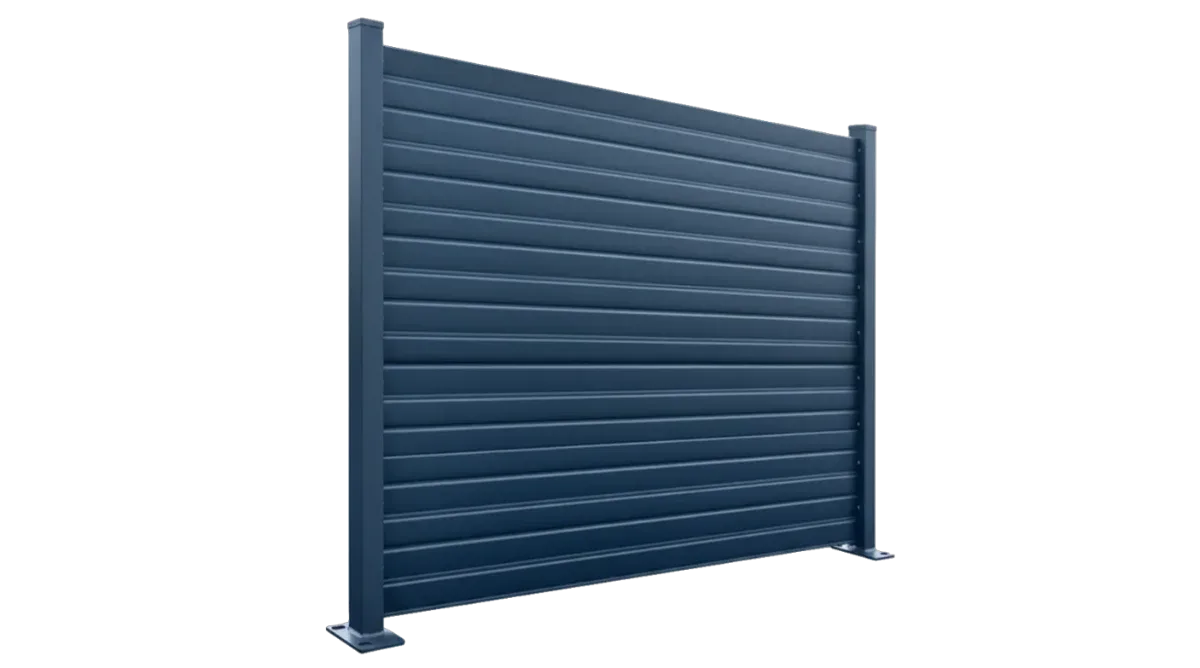
Made up of horizontal slats, the louvre fence is the option that stands out for gardens where privacy is wanted. TGO Çit Sistemleri's louvre fence model uses 1.4 – 1.6 mm box profile and 1.0 – 1.2 mm slat thickness, and its surface is finished with Jotun electrostatic powder coating. The colour options are anthracite grey, golden oak and white. The air gaps between the slats let part of the wind through, giving a more balanced load distribution than a completely closed wall.
Panel fence
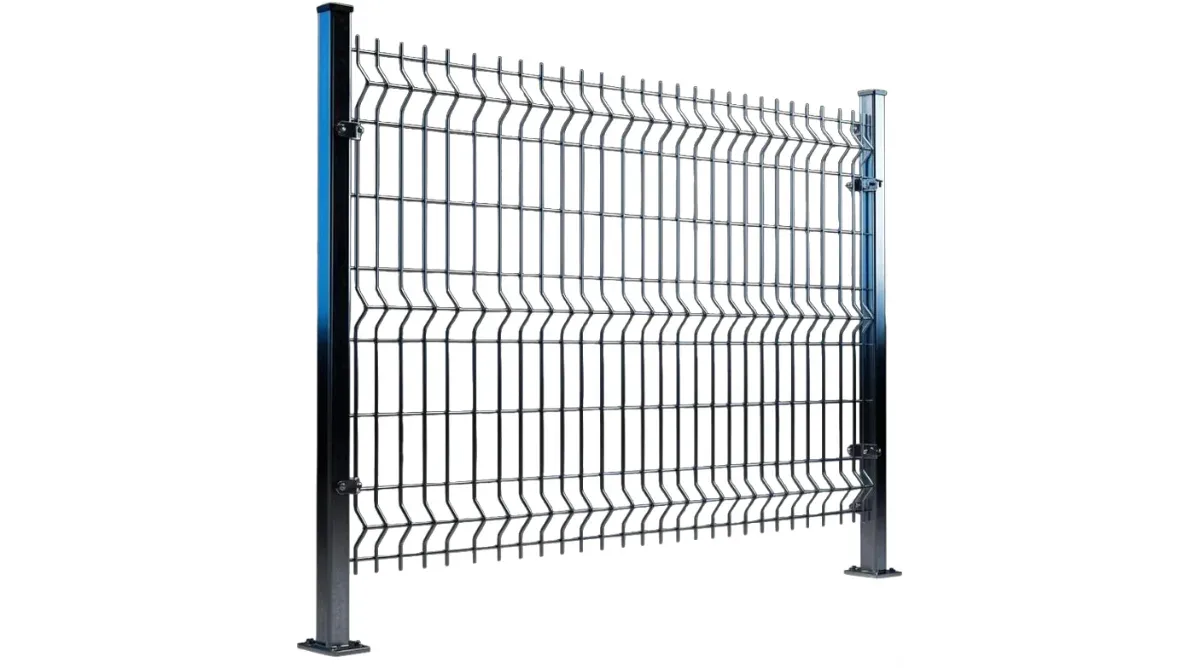
Panel fence systems made of welded wire panels draw a clear boundary without closing off the garden. Double panel fence offers a more rigid look with its double horizontal wire structure, while single panel fence and classic panel fence form a lighter, simpler boundary. When used with plants, panel fences can turn into a green wall over time.
Plastic wrought-iron style fence
Offering the wrought-iron look in a material with a lower maintenance burden, plastic wrought-iron style models come in different height and pattern options. They are often preferred at garden entrances, in front gardens and on decorative boundaries. For those who want to light up the garden in the evening, there is also an illuminated plastic wrought-iron style option.
Artificial grass fence
Artificial grass fence is applied over an existing wire fence or panel to quickly create a screen. Its green appearance blends with the garden landscaping; it is a practical solution especially for those who want privacy without removing their existing fence.
Step 3: Make a Quick First Cut with a Comparison Table
The table below compares the systems that stand out in residential gardens by their general features of use. It is not a definitive ranking but a starting point for a first cut.
| System | Privacy | Appearance | Where it stands out |
|---|---|---|---|
| Louvre fence | High | Modern, straight-lined | Villas, detached houses, street frontages |
| Panel fence | Low (increases with plants) | Simple, transparent | Back gardens, large plot boundaries |
| Plastic wrought-iron style | Low – medium | Decorative, classic | Front gardens, entrances, landscape boundaries |
| Artificial grass fence | Medium – high | Natural, green | Extra screen on an existing fence |
Step 4: Assess the Physical Conditions of Your Garden
The same model can give different results in two different gardens. For this reason, the following headings must be examined during the survey.
Ground structure and slope
In sloping gardens, it should be decided in advance whether the fence will be installed in steps or follow the slope. Panel fences are suited to stepped installation; with louvre fences, post positions and step heights are planned more carefully. Whether the ground is filled, rocky or concrete also changes the post fixing method.
On a wall or in the ground?
Many detached houses have a low retaining or garden wall surrounding the garden. In this case the fence is mounted on the wall with flanged posts. If you are curious about the finer points of wall-top installation, take a look at our louvre fence railing installation guide. For installation in the ground, the posts must be set in concrete foundations.
Wind and location
For houses by the sea, on a hilltop or on open land, wind load becomes decisive. Fully closed surfaces catch the wind; for this reason, in such locations, slat spacing, post section and post spacing should be assessed together during the survey.
Soil and moisture
In areas that stay constantly damp, are close to an irrigation line or where rainwater collects, the quality of the surface coating becomes even more important. Protective layers such as galvanizing and electrostatic powder coating reduce the metal's contact with moisture and support its service life.
Step 5: Decide on Height, Colour and Gate Together
When the fence, gate and colour are chosen independently of each other, the garden entrance can end up looking mismatched. Making these three decisions at the same time gives a more consistent result both aesthetically and functionally.
Height
A lower, more inviting boundary may be preferred for front gardens, and a taller fence that increases privacy for back gardens. When deciding on height, we recommend also taking into account the zoning rules of your area and the decisions of your complex management.
Colour
Anthracite grey harmonises strongly with modern façades and dark window frames. Golden oak offers a warm alternative for those who love the look of wood. White gives an airy, classic appearance. When choosing a colour, consider the direction from which the sun reaches the garden together with the tones of your façade.
Garden gate
Pedestrian and vehicle entrances should be designed in the same language as the fence. Louvre gate models that match louvre fences, panel fence gate models that match panel fences or, for those who want a more decorative entrance, CNC laser-cut gate models can be considered. If you want convenience at the vehicle entrance, planning the gate together with automatic gate motors gives a more orderly infrastructure than changes made later.
Step 6: Manage the Survey and Quotation Process Properly
In garden fence projects, the soundest result is obtained through an on-site survey. When measurements, ground, slope, wall condition and entrance points are seen on site, the quote is prepared more clearly.
What should be discussed during the survey?
- The total length of the fence and the number of corners
- The position and width of pedestrian and vehicle gates
- Sections to be installed on a wall and in the ground
- Step preference on sloping sections
- Choice of colour and model
TGO Çit Sistemleri offers a free on-site survey and made-to-measure production. You can review the stages production goes through and our quality documents on our quality page.
What to look for when comparing quotes
When comparing different quotes, you need to look not only at the total amount but also at profile and wire thickness, coating type, posts and fittings, and whether installation is included in the quote. Two fences with the same name can perform very differently because of material thickness and coating quality.
Common Mistakes with Garden Fences
In our experience, the most common mistakes homeowners make are the ones that are hard and costly to correct afterwards.
Deciding on looks alone
A picture in a catalogue does not reflect the wind, slope and ground conditions of your garden. Visual appeal matters, but it should be assessed together with technical suitability.
Leaving the gate until later
Adding a gate after the fence has been installed may require changing the post layout. The position and type of the gate should be determined at the very beginning.
Not clarifying the boundary with the neighbour
On shared boundaries, reaching agreement in advance with your neighbour and, if necessary, the relevant authorities about the position of the fence prevents disputes that might arise later.
Example Scenarios by Garden Type
The scenarios below were prepared to show which combinations stand out in different types of garden. Every project is unique; these examples are only meant to guide your thinking.
Urban detached house facing the street
On the street side, privacy comes first. Louvre fence can be chosen for this side and a more economical panel fence for the side and rear boundaries. Having the entrance gate in the same colour and form as the fence gives unity to the frontage.
Holiday home or country house with a large plot
On long perimeter lines, panel fence or chain-link systems offer a practical solution for marking the boundary. In smaller sections such as the seating area around the house, a private space can be created with a screening solution.
Families with children and pets
In these gardens, the gap under the fence, the self-closing and locking arrangement of the gate and whether the fence is easy to climb come to the fore. Systems with few horizontal footholds and a bottom edge finished close to the ground can be preferred.
Frequently Asked Questions
Which garden fence model is best for privacy?
If privacy is your priority, louvre fence systems, which largely block the view with their slatted structure, stand out. If you have an existing wire or panel fence, you can also create a screen by applying artificial grass fence on it without removing it. Which solution is more suitable for your garden depends on the height of the fence, the wind conditions and which side of the garden faces outward. During the survey we assess these points together and recommend suitable options.
Can a garden fence be mounted on a wall?
Yes. For houses with a garden or retaining wall, the fence can be mounted on the wall with flanged posts. In this application the strength, width and surface condition of the wall are important, because the post connections are made into the wall. Where the wall is not adequate, alternative fixing methods are considered. You can find the details of wall-top installation in the railing installation guide on our blog.
How should I choose a garden fence colour?
The colour of your façade, the tone of your window and door frames and your garden landscaping are decisive in choosing a colour. Anthracite grey harmonises with modern, dark-toned façades, golden oak with wood textures and warm tones, and white with airy, classic buildings. Before deciding, seeing a colour sample next to your façade gives the soundest result.
Should I choose the garden fence and gate separately?
We recommend planning the fence and gate together. A fence and gate designed in the same model and colour language give a unified look at the garden entrance. In addition, because the position and width of the gate affect the post layout, gates added later may require extra work. If you are considering an automatic gate at the vehicle entrance, it is also helpful to plan the motor infrastructure from the start.
How can I get in touch for a survey and quote?
You can fill in the quote form on our contact page, call us or send photos of your garden and approximate measurements via WhatsApp. Our team will contact you for a free on-site survey. After the survey, a made-to-measure quote is prepared according to your choice of model, colour and gate.
Choosing between the right garden fence models is possible by listing your expectations, understanding the conditions of your garden and deciding on fence, gate and colour together. When you follow these steps, you can create a garden boundary that you will like today and that will not cause you problems over the years. Send us your garden's measurements and photos, and let us evaluate the most suitable options together.
Get a free site survey and price quote for your project.
Message Us on WhatsApp