Fence Maintenance and Cleaning: A Season-by-Season Maintenance Schedule
A quality fence is designed to be used for many years with the right material and correct installation. But how trouble-free those years are depends largely on simple but regular maintenance by the user. Fence maintenance is not a complicated or costly job; most of the time a visual check and a simple clean a few times a year are enough. In this guide we offer a practical schedule for the cleaning and maintenance of different systems such as louvre fence, panel fence, chain-link and plastic wrought-iron style fence, and we also touch on common mistakes.
Why Is Maintenance Important?
Throughout the year fences are in contact with rain, snow, sun, wind, dust and vegetation. Although these factors do not cause major damage on their own, over time they can add up and lead to wear of the coating, loosening of connections and a deteriorating appearance. The benefits of regular maintenance can be summarised as follows:
- Small problems are noticed before they grow
- The coating layer is protected and the risk of corrosion is reduced
- Gates and fittings continue to work properly
- The fence keeps its original appearance for longer
Warranty and maintenance
TGO Çit Sistemleri products are covered by a 10-year warranty. For detailed information on warranty terms and coverage, you can review our quality page or contact us. Regular maintenance helps the product stay in good condition during and after the warranty period.
General Cleaning Rules
Whatever fence system you have, there are some basic rules to follow when cleaning.
The right materials
- Plenty of water and, if necessary, a mild, non-abrasive detergent
- A soft cloth, sponge or soft-bristled brush
- A garden hose (at low pressure)
Things to avoid
- Abrasive materials such as wire brushes, scouring pads or sandpaper
- Strong chemicals such as bleach, thinner or acetone
- High-pressure washing held too close to the coating
- Washing with detergent in the hours of strongest sunlight (it can cause staining)
About high-pressure washing
Although pressure washers clean dirt quickly, when used too close to the coating and at very high pressure they can make damage worse, especially if there is already small damage to the coating. If one is used, the machine should be kept at low pressure and at a sufficient distance from the surface.
Maintenance Tips by System
Louvre fence
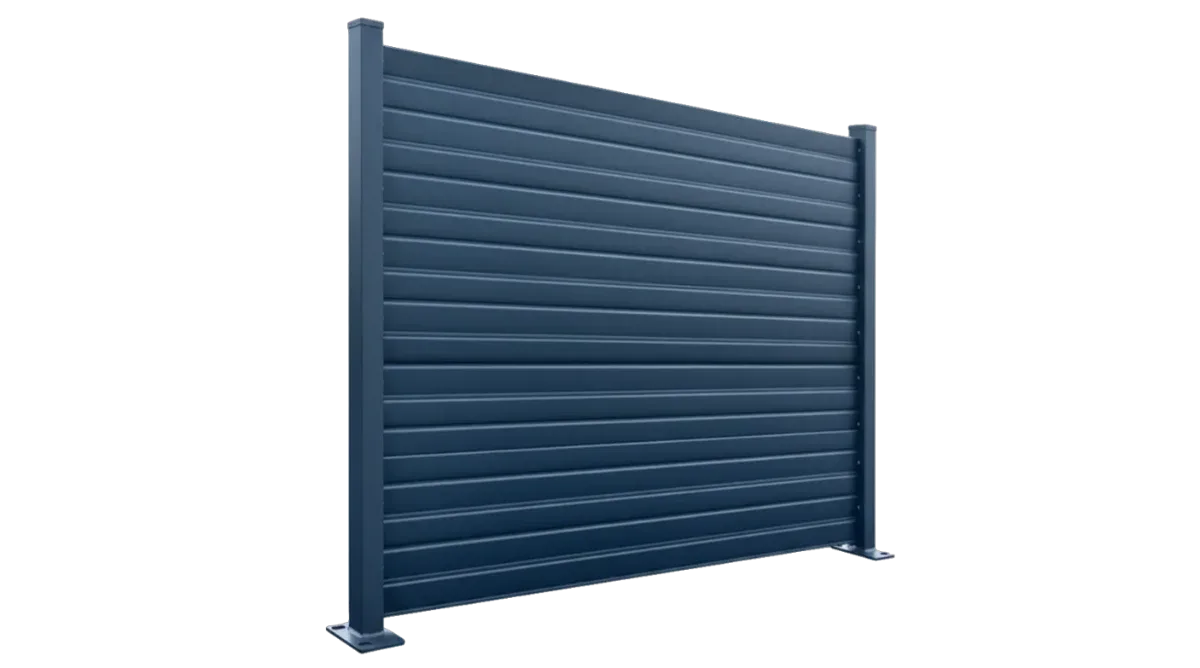
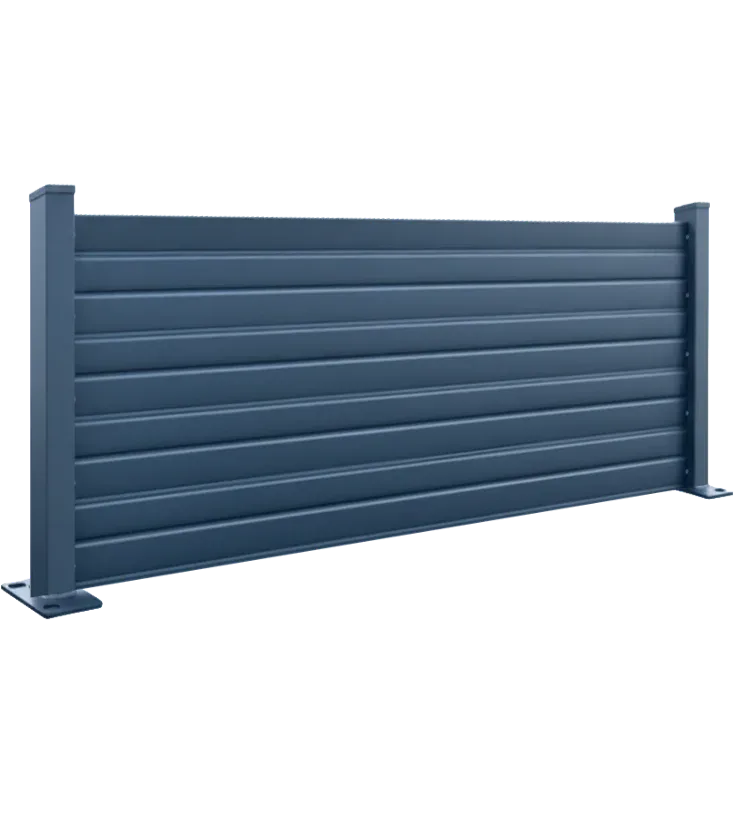
The wide, flat surfaces of louvre fence systems can make dust and dirt more visible; but the same surfaces also make cleaning easier. Wiping the slats from top to bottom with a soft cloth and then rinsing is usually sufficient. Leaves and dust collecting in the air gaps between slats can be cleaned with a soft brush. The Jotun electrostatic powder coating used on our louvre fence model was chosen to provide extra protection against UV, moisture and impact; it is important not to clean this surface with abrasive materials.
Panel fence
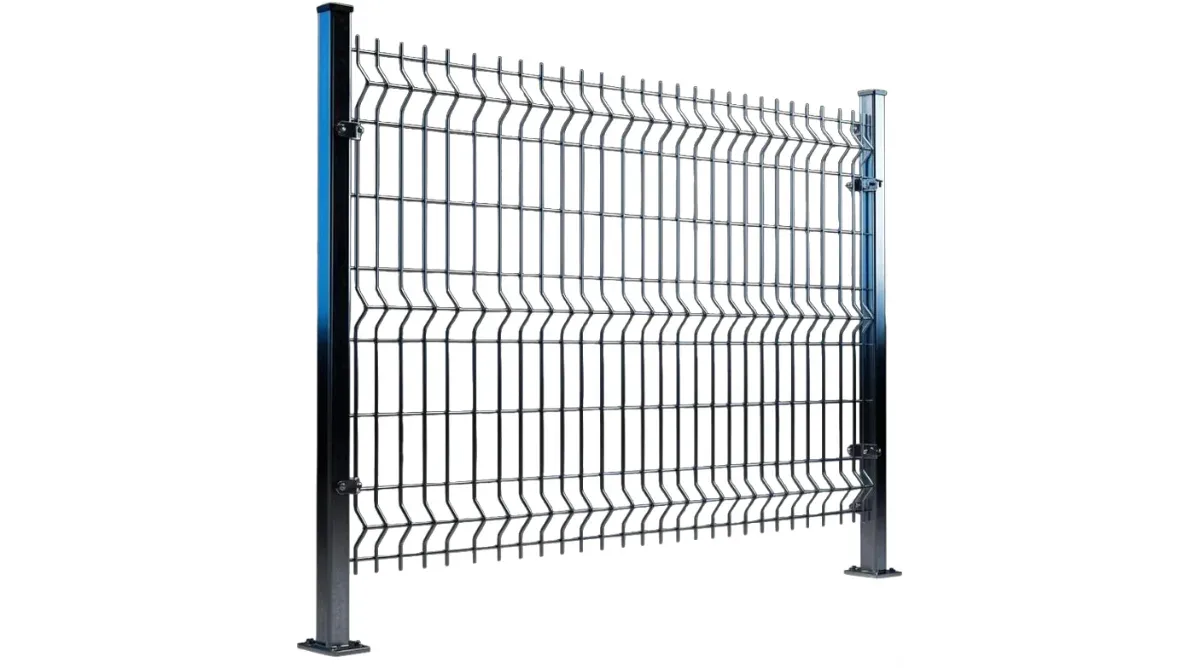
In panel fence systems, litter such as leaves, twigs and wind-blown plastic bags can get caught in the wire grids. Cleaning these out regularly both preserves the appearance and prevents moisture from staying in contact with the wires for long. The clamps and connection points between panel and post should be checked for loosening.
Chain-link
In galvanized chain-link and PVC-coated mesh systems, the most important maintenance issue is tension. Periodically checking the tension wires, tensioners and tie wires, and re-tensioning sections that have loosened, is recommended. Keeping the area at the bottom of the mesh clear is helpful because soil or plants collecting there can increase moisture.
Plastic wrought-iron style fence
Because plastic wrought-iron style fence models do not rust like metal, they do not need paint maintenance. Dust collecting in the curves of the patterns can be cleaned with a soft brush and water. Hard brushes and abrasive cleaners should not be used as they can affect the shine of the surface.
Barbed and razor wire
The bracket connections and tension of barbed wire and razor wire elements used on top of fences should be checked at least once a year. Because these elements are sharp, inspection and maintenance should be done carefully with suitable protective equipment.
Seasonal Maintenance Schedule
Spreading maintenance across the seasons divides the job into small, manageable parts. The schedule below is a general suggestion and can be adapted to the climate of your area.
Spring
- Washing off dirt, mud and salt residue accumulated over the winter
- Checking the coating for scratches, blisters or rust stains
- Checking gate hinges and locks
- Clearing plants and soil that have built up at the base of the fence
Summer
- Pruning plants leaning on the fence or wrapping around the wires
- Making sure the irrigation line does not spray water directly onto the fence
- Cleaning dust and cobwebs from photocell surfaces on automatic gates
Autumn
- Clearing leaves from the base of the fence and between the wires
- Checking whether water is collecting at the base of posts
- Touching up coating damage before winter
- Checking the tension of chain-link
Winter
- After heavy snowfall, removing snow piled against the fence in a way that does not strain it
- Washing sections splashed with road salt at the first suitable opportunity
- Visually checking posts and connections after a storm
Gate Maintenance
Gates are the parts of a fence that move and are used the most. For this reason their maintenance needs are slightly greater.
Hinges and locks
On swing gates, check whether the hinges make noise, whether the gate is sagging and whether the locking mechanism works properly. Lubrication in line with the manufacturer's recommendations supports the life of the mechanisms.
Sliding gate tracks
On sliding gates, stones, soil, leaves or ice collecting on the track can make the gate's movement harder. Cleaning the track regularly prevents the gate wheels and motor from working under unnecessary load.
Automatic gate systems
With automatic gate motors, it is important to keep photocell surfaces clean, check the remote control batteries and keep the area around the motor clear of plants and debris. Maintenance and adjustments to the internal parts of the motor should be carried out by an authorised technical service. For common gate problems, see our guide to automatic gate troubleshooting.
Touching Up Coating Damage
A small scratch caused by a knock, contact with a garden tool or during installation may seem insignificant at first. But when the exposed metal surface comes into contact with moisture, corrosion can begin. For this reason, covering coating damage in good time is one of the most important steps of maintenance.
Touch-up steps
- Clean dirt and dust from the damaged area
- If there is surface rust, carefully remove it with fine sandpaper (only at the damaged spot)
- Dry the surface
- Apply touch-up paint of a suitable colour and type in thin layers
It is important that the touch-up paint suits the colour and coating type of the fence. You can ask us about suitable materials. For more detailed information on the signs and causes of rust, you can read our article on rust problems in fences and their solutions.
Plants and Fences
Hedge plants and climbers can beautify a fence and increase privacy. But plants that grow uncontrolled can damage the fence.
Points to watch
- Not allowing climbers to put excessive load on wires and slats
- Preventing thick-stemmed plants from growing through the fence and straining the panel
- Adjusting the watering routine so that the constantly damp base of plants does not affect fence posts
- Bearing in mind that tree roots may affect post foundations over time
If you want to add a quick screen to your existing fence instead of plants, artificial grass fence offers a practical alternative.
Maintenance Frequency by Environment
Not every fence is used in the same conditions. The environment directly affects maintenance needs. The approaches below can help you adapt maintenance frequency for different environments.
Urban residential gardens
In relatively sheltered city gardens, two thorough checks and cleans a year are usually sufficient. On sides facing busy streets, washing more often can be helpful because of exhaust and dust build-up.
Seaside
Salt in the air builds up on the coating surface and holds moisture. On buildings near the coast, washing the fence with fresh water, especially at the end of summer and before winter, reduces salt build-up. In these areas it is also recommended to touch up coating damage without delay.
Industrial areas
Particles and dust in the air can form a thin layer on the fence surface. Because this layer can wear the coating when combined with moisture, it is important at industrial facilities to clean the fence more often and to review long perimeter lines at regular intervals.
Farmland
On field and vineyard fences, soil, fertiliser and spray residues can come into contact with the fence. During spraying periods, not spraying directly onto the fence and keeping the base of the fence clear help protect the coating.
When Should You Get Professional Support?
Some situations go beyond user maintenance and require expert assessment:
- If you notice that one of the posts has bent or its foundation has moved
- If a panel or post has been damaged after a vehicle impact
- If the gate has sagged noticeably or will not close
- If there is blistering or rust over a wide area of the coating
- If the automatic gate motor is faulty or working irregularly
In these situations you can send us photos of the fence via our contact page or WhatsApp.
Frequently Asked Questions
How often should a fence be cleaned?
As a general recommendation, a thorough clean and check at least twice a year, in spring and autumn, is sufficient. This frequency can be increased by busy, dusty roadsides, by the sea or in industrial areas. For fences near roads that are salted in winter, washing at the first suitable opportunity to remove salt residue is recommended.
Can I wash the fence with a pressure washer?
A pressure washer can be used when kept at low pressure and at a sufficient distance from the surface. However, very high pressure at close range can make damage worse, especially if there is already small damage to the coating. In most cases a garden hose, a soft cloth and a mild detergent provide sufficient cleaning.
How is a plastic wrought-iron style fence cleaned?
Plastic wrought-iron style fences can be cleaned with water and a soft cloth or a soft-bristled brush. A soft brush is a practical solution for dust collecting in the curves of the patterns. Abrasive cleaners, wire brushes and strong chemicals should not be used as they can damage the surface.
What should I do if the coating gets scratched?
After cleaning and drying the scratched area, we recommend covering it in thin layers with touch-up paint suited to the colour and coating type of the fence. If rust has started in the scratch, only the surface rust at that spot should be carefully removed. You can ask us about suitable touch-up materials.
Can I maintain an automatic gate myself?
You can do simple tasks yourself, such as cleaning photocell surfaces, cleaning the sliding gate track, changing remote control batteries and keeping the area around the motor free of debris. However, work on the internal parts of the motor, electrical connections and board settings should be carried out by an authorised technical service.
Seeing maintenance not as a burden but as a routine check of your garden or facility makes the job easier. For example, reviewing your fence when you turn on the garden irrigation system in spring or prepare for winter means maintenance stops being a separate task.
Regular fence maintenance and cleaning lets you preserve both the appearance and the function of your fence for many years with a few simple habits. Short checks spread across the seasons, the right cleaning materials and repairing small damage in good time are the easiest way to prevent major problems. When you have a question about your fence, don't hesitate to contact us.
Get a free site survey and price quote for your project.
Message Us on WhatsApp