Rust Problems in Fences: Causes, Early Signs and Solutions
One of the concerns we hear most often about metal fences is rust. An orange stain appearing in one corner of the garden fence, blistering at the base of a post or brown streaks running from screw heads often prompt the question “is my fence rotting?”. In this article we treat fence rust as a troubleshooting guide: we explain step by step why rust forms, where it starts, its early signs, how to tell surface rust from serious corrosion and what to do in each situation.
How Does Rust Form?
Rust is a corrosion product formed when iron and steel react with oxygen and moisture. Three elements are needed for this reaction: metal, moisture and oxygen. Coatings prevent or delay this reaction by separating the metal surface from moisture and oxygen. So if rust appears on a fence, it usually means the coating has failed to protect the metal surface at some point.
Factors that speed up corrosion
- Salt: Salt in the air by the sea and salt spread on roads in winter markedly accelerate corrosion.
- Constant moisture: Irrigation water hitting the fence directly, water collecting at the base of the fence or constant contact with damp soil.
- Chemical particles: In industrial areas, chemical particles in the air can wear down the coating.
- Contact between different metals: Different types of metal touching each other in the presence of moisture can cause one of them to corrode faster.
We explain in detail how coating types work against corrosion in our article on the difference between galvanizing and electrostatic powder coating.
Where Rust Most Often Starts
Rust does not usually start over the whole fence at once; it appears at certain points. Knowing these points shows you where to look during inspection.
Post bases
The part where posts enter the ground or concrete is the area most in contact with moisture and soil. If water collects at the base of a post or soil is heaped against it, this area becomes one of the riskiest points for corrosion.
Cut edges and weld points
At points cut, drilled or welded on site during installation, the coating may have been damaged. If these points were not touched up, rust can start there.
Fittings
Small parts such as screws, bolts, nuts and clamps can be the first to rust if their coating quality is low or they were not chosen from rust-resistant material. Rust streaks running from these parts can leave stains on the fence surface.
Impact and scratch points
The coating may be damaged where garden tools, lawnmowers, vehicles or bicycles have hit the fence.
Open post tops
In box or tube posts without caps, rainwater gets inside the post and can collect on the inner surface. This can lead to corrosion on the inner surface without being noticed from outside.
Early Signs
Noticing rust early means the problem can be solved with a simple touch-up. Watch for the following signs:
- Small bubbles or blisters on the coating surface
- Paint starting to flake
- Small orange or brown spots
- Discolouration around screw and bolt heads
- Whitish or brown powdering at the base of posts
White rust on galvanized surfaces
On galvanized surfaces, especially on new products and in damp conditions, a whitish layer may appear. This is a formation resulting from the zinc coating reacting with moisture and is generally called “white rust”. In most cases it is superficial and does not mean the steel surface is corroding; however, ventilation and drainage are important so that moisture does not stay on the surface for long.
Surface Rust or Serious Corrosion?
To make the right intervention, you need to assess how far the problem has progressed.
| Situation | Sign | Recommended approach |
|---|---|---|
| Stain from an external source | An orange stain sitting on the surface that wipes off | Cleaning and identifying the source |
| Surface rust | Limited rust around a small spot or scratch | Cleaning and touch-up |
| Spreading rust | Blistering and flaking over a wide area | Expert assessment |
| Loss of section | Thinning or perforation of the metal, or weakening at the post base | Replacement of the part should be considered |
Rust stains from external sources
Sometimes the orange stains seen on a fence surface do not come from the fence itself but from outside. A rusting garden tool, an old metal part nearby, iron in irrigation water or a rusty object leaning against the fence can cause these stains. Cleaning the stain and checking whether the coating underneath is intact helps you understand the source of the problem.
Step-by-Step Intervention
For surface rust
- Clean the area with water and a mild detergent, then dry it.
- Carefully clean only the rusty spot with fine sandpaper or a suitable brush; do not damage the intact coating.
- Remove the dust and make sure the surface is completely dry.
- If necessary, apply a suitable anti-rust primer.
- Apply touch-up paint suited to the colour and coating type of the fence in thin layers.
For fittings
Rusted screws, bolts or clamps should be replaced with new ones that are rust-resistant or suitably coated. To avoid contact between different metals, it is important that the new parts are compatible with the fence system. For detailed information on fittings, see our article on fence accessories and fittings.
For post bases
If soil or plants have built up at the base of a post, remove them and make sure water drains away from the post. If the concrete foundation surface directs water towards the post, correcting the top surface of the foundation can be considered after an expert assessment.
For spreading corrosion
If you see blistering, flaking or thinning of the metal over a wide area, we recommend getting an expert assessment rather than intervening yourself. In this case, whether the part should be repaired on site or replaced is determined by inspection on site.
What Can Be Done to Prevent Rust
Choosing the right product
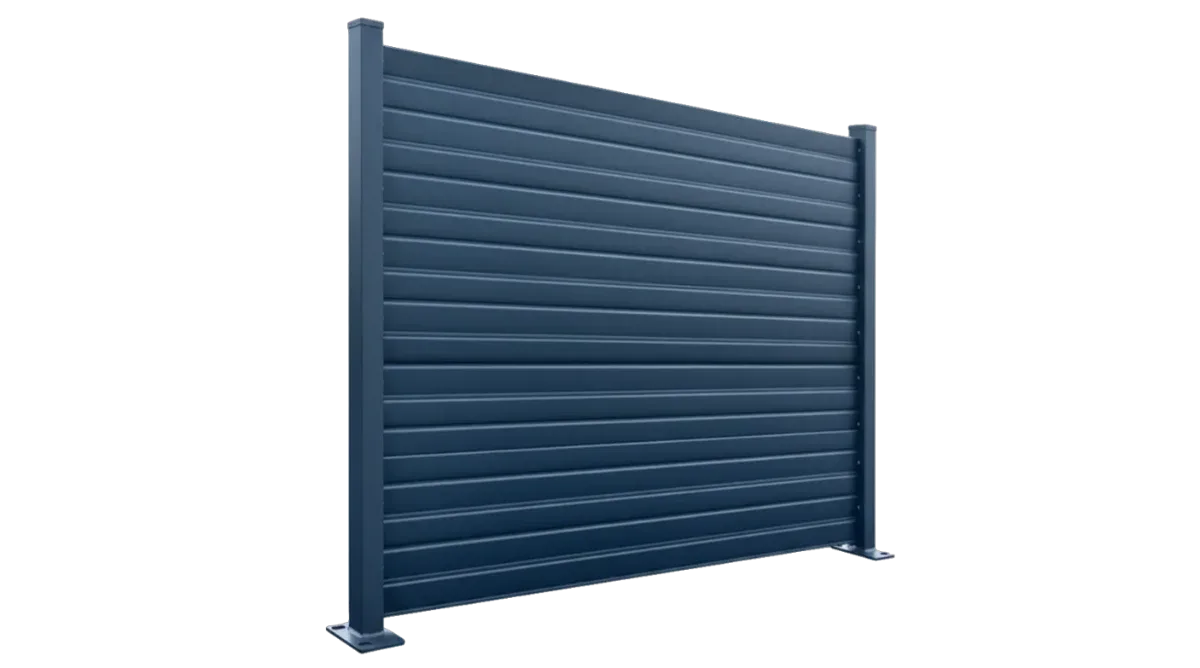
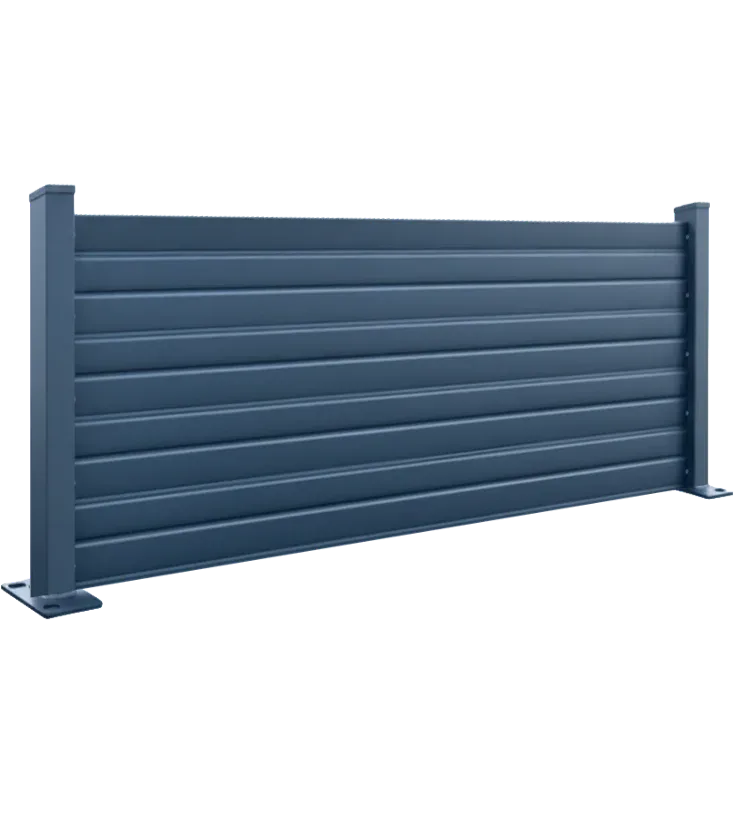
The most effective precaution against rust is choosing a product with the right coating from the start. Protective layers such as hot-dip galvanizing, PVC over galvanizing or good-quality electrostatic powder coating protect the metal surface for a long time. TGO Çit Sistemleri's louvre fence model uses Jotun electrostatic powder coating, and the galvanized chain-link system uses hot-dip galvanized coating. Plastic-based plastic wrought-iron style fence does not rust like metal.
Correct installation
Touching up cuts, holes and weld points made during installation, fitting post caps and making the top surface of the foundation shed water away from the post reduce the risk of rust.
Correct use
- Sprinklers should not spray water directly onto the fence
- Soil, compost or garden waste should not be heaped at the base of the fence
- Sections splashed with salt in winter should be washed at the first suitable opportunity
- Rusty metal objects should not be leaned against the fence
- Small scratches should be touched up in good time
If you are looking for a practical schedule for regular maintenance, our guide to fence maintenance and cleaning can help.
Rust Risks by Product Type
The points where rust starts and the precautions also differ between fence systems.
Louvre and panel fences
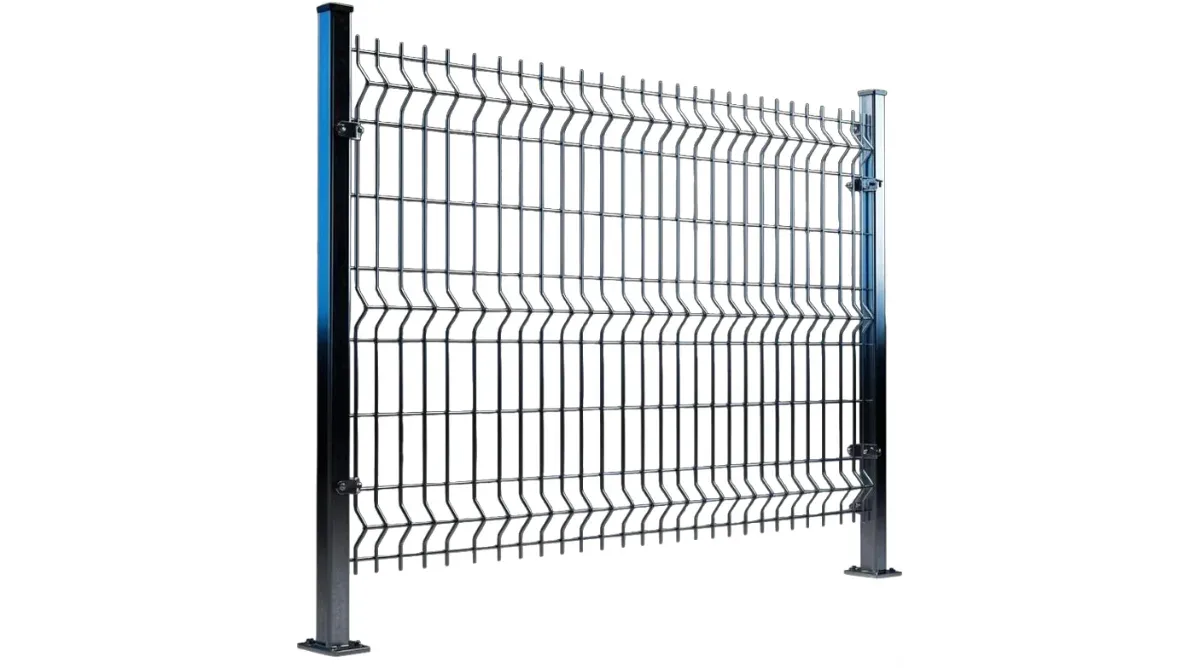
In louvre fence systems, the points where slats join the posts and the post bases, and in panel fence systems, the clamp connections and wire weld points are the main areas to check. In both systems it is important to touch up cuts made on site.
Chain-link and barbed wire
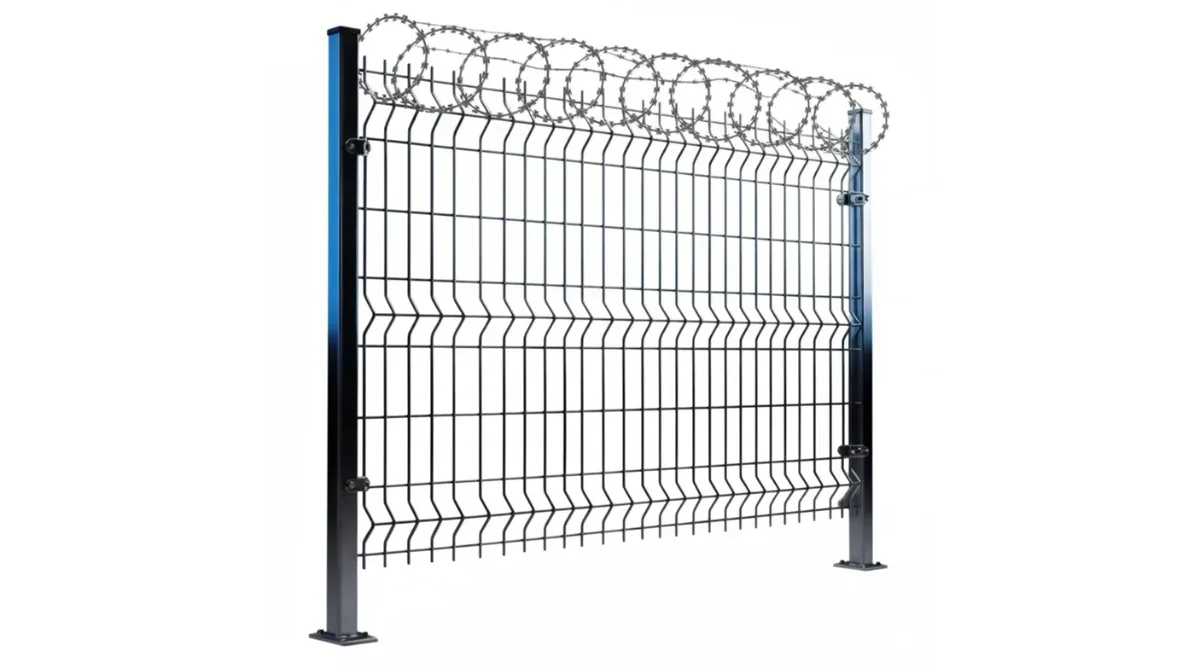
In wire products, thin wires can be affected more quickly when their coating is damaged. The contact between the bottom edge of the mesh and the soil, and the connection points of tension wires, are places to watch. Our barbed wire products include zinc-aluminium alloy coating and PVC coating options.
Gates
Gates are more exposed to coating wear because of frequent use and contact. Hinge areas, lock keepers and the bottom profiles of sliding gates should be checked regularly. You can plan our gate models to the same coating standard as the fence.
Automatic gate motors
Motor housings and gear racks can also be affected by moisture and salt. Keeping the rack and gear area clean and not letting water collect around the motor help the system work properly.
Special Environments: Coastal and Industrial Areas
On buildings by the sea, salt in the air builds up on the coating, holding moisture and possibly speeding up corrosion. In these areas it is recommended to wash the fence more often, touch up coating damage more quickly and, if possible, choose products offering dual-layer protection. In industrial areas, particles in the air can build up on the coating surface, so regular cleaning becomes important. For perimeter fence planning at industrial facilities, see our factory perimeter security guide.
Frequently Asked Questions
What should I do if I see a rust stain on a fence I have just bought?
First, clean the area to understand whether the stain comes from the fence itself or from an external source. If the stain wipes off and the coating underneath is intact, the problem most likely has an external source. If the stain comes from under the coating or appears at a cut, hole or connection point, you can send us photos and ask for an assessment.
Is the white layer on galvanizing harmful?
The whitish layer seen on galvanized surfaces in damp conditions results from the zinc coating reacting with moisture and is superficial in most cases. This formation does not mean the steel surface is rusting. Good ventilation of the surface and not letting water stay on it for long reduce this formation. If the layer increases noticeably or brown rust appears beneath it, an expert assessment should be obtained.
Should a rusting fence be replaced completely?
Not always. Superficial and limited rust can be removed with cleaning and touch-up, and rusted fittings can be replaced with new ones. However, if there is blistering over a wide area, thinning of the metal or weakening at the post base, the relevant part may need to be replaced. An on-site inspection of the fence is recommended to make the right decision.
Which fence should be chosen by the sea?
By the sea, the risk of corrosion is higher because of salt in the air. In these areas, products with high coating quality, preferably offering dual-layer protection such as paint or PVC over galvanizing, or plastic-based systems can be considered. Which system is suitable is determined during the survey according to the location of the building and its intended use.
What is the simplest thing I can do to prevent rust?
The simplest and most effective precaution is to keep the base of the fence clear, prevent irrigation water from hitting the fence directly and touch up small scratches in good time. An inspection and clean twice a year helps prevent most rust before it starts.
The most important principle regarding rust is not to ignore the problem. A spot that looks like just a small stain today can spread under the coating within a few seasons and affect a wider area. When you notice a small sign, taking a photo, making a note and checking again a few weeks later is a practical way to see whether the situation is progressing. This way you can decide more soundly whether intervention is needed.
This approach is also useful in a house you have just moved into and whose fence history you do not know; recording the current condition makes it easier to compare changes that occur later.
Fence rust usually starts at a single point with a small area of coating damage and, when noticed early, is solved with a simple intervention. Recognising the signs, checking risky points regularly and choosing products with the right coating keep your fence in good condition for many years. If you would like us to assess a sign of rust on your fence, you can send us photos.
Get a free site survey and price quote for your project.
Message Us on WhatsApp