Galvanizing vs Electrostatic Powder Coating: What Each Fence Coating Does
Whether a metal fence keeps its appearance and strength for many years depends largely on the coating applied to its surface. Terms frequently seen in quotes and on product pages, such as galvanizing, electrostatic powder coating and PVC coating, are often thought of as interchangeable. Yet each has a different protection logic and in most cases they complement one another. In this article we compare these coating methods, explaining which one stands out in which situation and what you should look for when reviewing quotes.
Why Is Metal Coated?
Steel is a strong, easily shaped material for fence systems; but it tends to rust when it comes into contact with moisture, rain, soil and salt in the air. Rust does not only spoil the appearance; over time it thins the material's section and reduces its strength. The job of the coating is to separate the metal from these factors and delay the corrosion process as much as possible.
Barrier protection and cathodic protection
Coatings generally protect according to two different logics. Barrier protection covers the metal surface with a physical layer that prevents contact with moisture; paint and PVC coatings fall into this group. Cathodic protection is when a metal such as zinc corrodes before the steel and so protects it; galvanizing works on this principle. For this reason, even when a small scratch occurs in a galvanized coating, the zinc can continue to protect the surrounding steel.
Galvanized Coating
Galvanizing is coating a steel surface with zinc. There are different types depending on the application method.
Hot-dip galvanizing
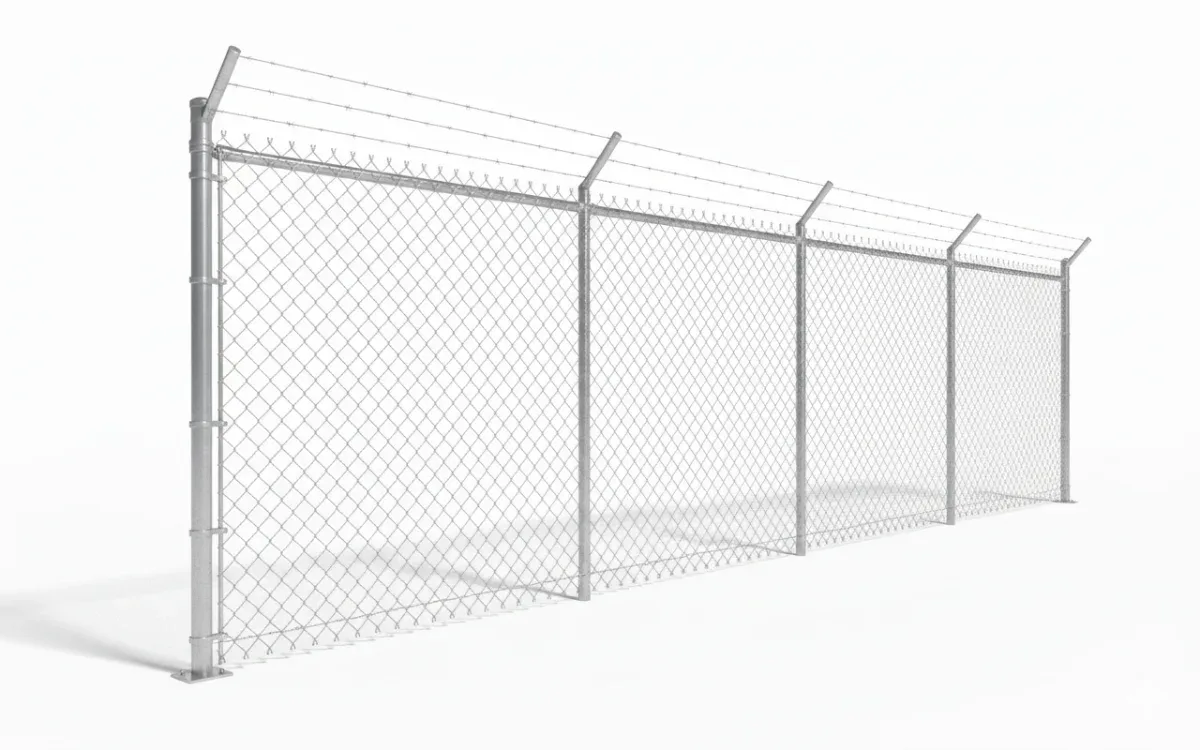
The steel part is coated by dipping it into a bath of molten zinc. In this method the zinc forms a metallurgical bond with the steel surface and a relatively thick coating layer is obtained. The inner and outer surfaces, corners and edges of the part are also coated. TGO Çit Sistemleri's galvanized chain-link fence system is offered with hot-dip galvanized coating.
Electro-galvanizing
Zinc is applied to the steel surface by an electrolytic method. A thinner, smoother surface is obtained. It is generally used as a primer layer under paint or PVC coating, or in indoor applications.
The appearance of galvanizing
Galvanized coating has a metallic grey appearance that becomes matte over time. While this is not a problem in industrial areas, paint or PVC coating is applied over the galvanizing when a coloured surface is preferred in residential gardens.
Electrostatic Powder Coating
Electrostatic powder coating is based on spraying powder paint onto the metal surface with the help of an electric charge, and then baking it in an oven so that it fuses with the surface. The result is a hard, decorative layer of even thickness on the surface.
Advantages
- A wide range of colours and consistent colour tone
- A smooth, attractive surface appearance
- Resistance to knocks and scratches
- Colour retention against UV rays (depending on the type of paint)
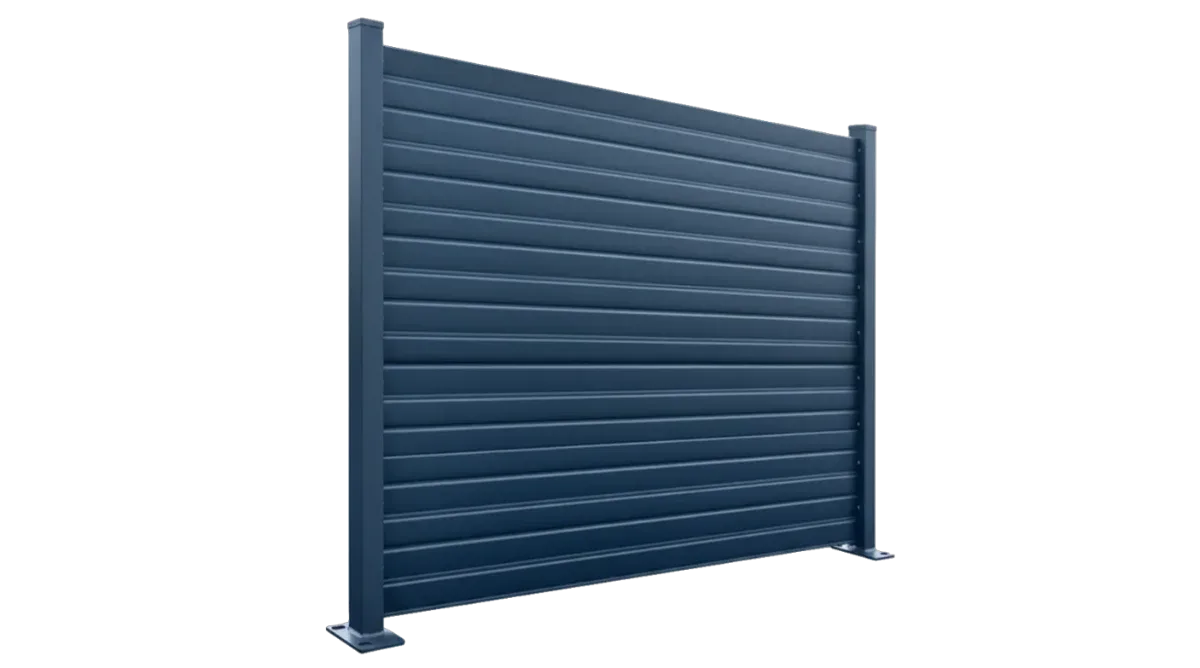
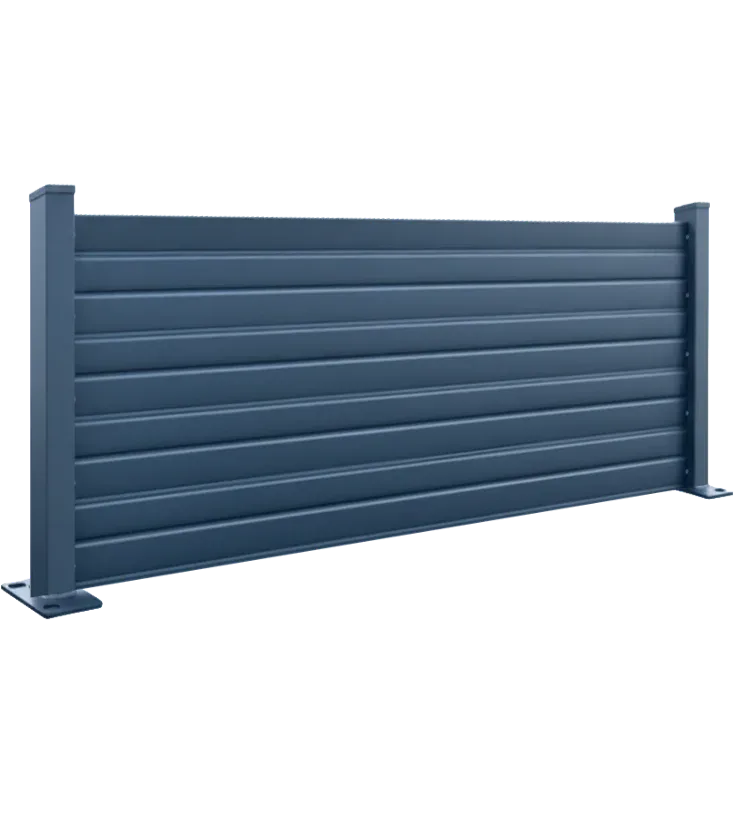
TGO Çit Sistemleri's louvre fence model uses Jotun electrostatic powder coating, chosen to provide extra protection against UV, moisture and impact. The anthracite grey, golden oak and white colour options are offered with this paint system.
The importance of surface preparation
The performance of powder coating depends on how well the surface is prepared before application. Removing oil, dirt and rust and making the surface suitable for the paint to adhere directly affects coating quality. For this reason, even if the same paint brand is used, two products with different surface preparation may differ in durability.
PVC Coating
PVC coating is used especially on wire products such as chain-link and barbed wire. A plastic layer is applied over galvanized wire, giving both extra barrier protection and a coloured appearance.
Where is it used?
PVC-coated chain-link wire is produced with PVC coating over hot-dip galvanizing and blends into gardens, parks and sports areas with its green colour. Our barbed wire products also include a green PVC-coated option.
Comparison Table
The table below compares the general features of the coating types. Actual performance varies with coating thickness, application quality and the environment of use.
| Feature | Hot-dip galvanizing | Electrostatic powder coating | PVC coating |
|---|---|---|---|
| Protection logic | Cathodic + barrier | Barrier | Barrier |
| Appearance | Metallic grey | Coloured, smooth | Coloured, soft texture |
| Colour options | None | Wide | Limited |
| Typical products | Chain-link, posts, industrial | Louvre, panel, gates | Chain-link wire, barbed wire |
| After a scratch | Continues to protect the surrounding area | May need touch-up | May need touch-up |
Dual-Layer Protection: Paint and PVC over Galvanizing
One of the most common and balanced approaches is to use galvanizing together with paint or PVC coating. In this method, the galvanizing works as the underlying protective layer of the metal, while the paint or PVC on top gives a decorative appearance and also protects the galvanizing from external factors. In this way two different protection logics complement each other. This approach stands out especially in humid areas, by the sea or in irrigated gardens.
Coastal and industrial areas
In areas where there is salt or chemical particles in the air, the corrosion process can progress faster. In such environments the choice of coating becomes even more critical and dual-layer protection should be considered. We explain the causes of rust problems and ways to prevent them in detail in our article on rust problems in fences.
Coating Preference by Product Type
The choice of coating varies according to the structure of the product and its intended use. Even within the same project, different coating approaches can be used for different products.
Louvre and panel fences
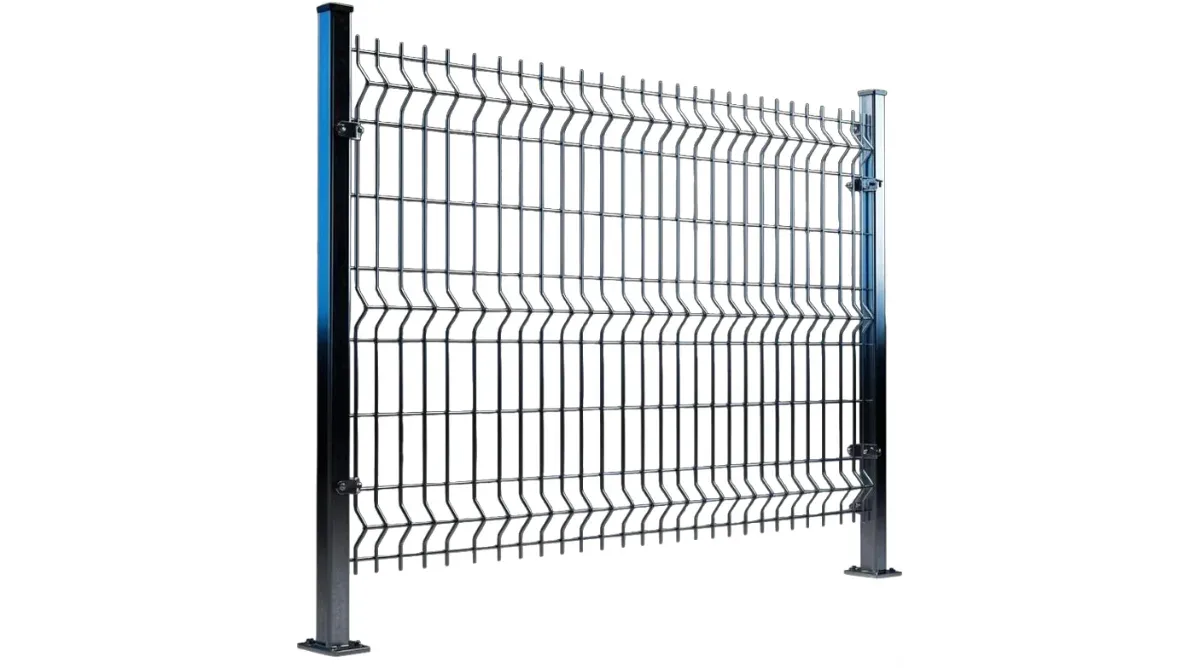
In louvre fence and panel fence systems, where appearance is in the foreground, electrostatic powder coating stands out in terms of colour and surface quality. For these products, surface preparation is decisive for good paint adhesion.
Chain-link and barbed wire
For wire products, every point of the thin wires must be coated. For this reason, hot-dip galvanizing and PVC coating over galvanizing are widely preferred for products such as chain-link and barbed wire. Our barbed wire products include zinc-aluminium alloy coating and green PVC coating options.
Gates
Because of their opening and closing movement and frequent contact, gates are exposed to more wear than the fence. Coating quality on gate leaves and hinge areas is important for the gate to look good for a long time. You can plan our gate models to the same coating and colour standard as the fence.
Fittings
Small parts such as screws, clamps, bolts and plugs are often overlooked; yet corrosion mostly starts at these points. Choosing fittings that are coated or made of rust-resistant material also supports the overall life of the fence.
Assessing Quotes in Terms of Coating
The difference in price and performance between two fences that look the same is often hidden in the coating details. When comparing quotes, we recommend looking for answers to the following questions:
- Is the coating type clearly stated? (Hot-dip or electro-galvanizing?)
- For painted products, are the type and brand of paint stated?
- Is there galvanizing or a similar primer layer before painting?
- Are the posts, panels and fittings to the same coating standard?
- Is touch-up material provided after installation?
In our production processes, galvanizing and powder coating are applied at the surface treatment stage. You can review all stages of production on our quality page.
Assessing Coating Quality by Eye
It is possible to get an idea of the general quality of a coating even without laboratory tests. When examining a product sample or the delivered parts, you can look for the following:
- No runs, bubbles, powder clumps or bare areas on the surface
- Edges, corners and weld points are also evenly coated
- The colour tone is consistent between different parts
- No flaking or heavy zinc build-up on galvanized surfaces
- No cracks, tears or areas where the wire is exposed in the PVC coating
Weld points and cut edges are the areas the coating reaches with most difficulty and the most sensitive ones. Careful coating of these areas is an important indicator of production quality.
What Users Can Do to Extend the Life of the Coating
Even a quality coating is preserved longer with care during use. Preventing garden waste, soil or irrigation water from constantly collecting at the base of the fence, cleaning dirt and dust from the surface at regular intervals and covering scratches in good time support the life of the coating. For practical maintenance tips, see our guide to fence maintenance and cleaning.
Frequently Asked Questions
Which is better, galvanizing or electrostatic powder coating?
These two coatings are not rivals; they are usually complementary. Galvanizing protects the metal against corrosion thanks to the cathodic protection of zinc, while electrostatic powder coating provides colour, a smooth surface and an additional barrier layer. In industrial areas galvanizing alone may be sufficient, whereas paint or PVC coating is preferred for a coloured, attractive surface in residential gardens. In most cases the most balanced result is obtained by using both methods together.
Does an electrostatically painted fence rust?
Electrostatic powder coating forms a strong barrier that separates the metal surface from moisture. However, if a deep scratch or impact occurs in the paint layer, the exposed metal surface can come into contact with moisture. For this reason, it is important to cover damage that occurs during installation or use with suitable touch-up material in good time. In products with a galvanized primer layer under the paint, this risk is reduced even further.
What is the difference between hot-dip galvanizing and electro-galvanizing?
In hot-dip galvanizing, the steel part is dipped into a bath of molten zinc, giving a relatively thick, metallurgically bonded coating. In electro-galvanizing, zinc is applied electrolytically, forming a thinner, smoother layer. For long-term outdoor use hot-dip galvanizing stands out, while electro-galvanizing is generally used as a primer layer under paint.
Why is PVC-coated chain-link preferred?
PVC coating adds extra barrier protection over galvanized wire and gives an appearance in colours, such as green, that blend with the surroundings. This is why it is often preferred by those who want an attractive wire fence in gardens, parks and sports areas. The galvanized base layer also helps maintain protection in the event of damage to the PVC layer.
How can I tell the coating type from a quote?
The coating type should be clearly stated in the quote. We recommend asking whether “galvanized” means hot-dip or electro-galvanizing and, for painted products, the type of paint and its brand if any. Finding out whether the posts, panels and fittings are to the same coating standard also lets you make a sound comparison.
In short, the coating is like an invisible insurance policy for a fence. Asking a few questions at the purchasing stage and clarifying the coating details is one of the most important steps in determining whether your fence will still look as it did on the first day years later.
Understanding the difference between galvanizing and electrostatic powder coating lets you choose not only a fence you like today, but one that will keep its shape and colour for years. To determine together the coating combination that suits your environment and expectations, you can contact us.
Get a free site survey and price quote for your project.
Message Us on WhatsApp