Choosing a Fence Colour: How to Choose Anthracite, Green, White or a Wood Look
A fence is one of the largest surfaces that shape how a home or facility is perceived from outside. This is why choosing a fence colour is often a more influential decision than people think. The right colour complements the façade, can make the garden look larger or tidier and can affect maintenance needs over the years. A poorly chosen colour, on the other hand, can make even a quality fence system look dull or out of place. In this article we take a step-by-step look at colour selection, comparing the most popular fence colours in terms of façade harmony, landscaping, sunlight and maintenance.
Four Basic Factors That Affect Colour Choice
Assessing the following four factors before opening the colour catalogue quickly narrows down the options.
Façade and frame colours
The exterior colour of the house, the window and door frames, the roof colour and the tone of any railings form a whole with the fence colour. Having the fence in the same or a harmonious tone with these elements gives the building a unified appearance.
Landscaping and vegetation
The lawn, shrubs and trees in your garden form the background or foreground of the fence. In gardens with dense vegetation, dark fences bring out the green of the plants, while in simple gardens light colours can give a sense of space.
Sun and location
On south-facing sides and in areas with strong sunshine, dark surfaces heat up more. This is a factor to consider for those planning a seating area next to the fence. Sunlight also makes the colour appear in different tones during the day.
Maintenance expectations
Light colours can show dust, mud splashes and dirt more clearly. Dark colours can show limescale marks and dust build-up differently. The dust, soil and irrigation conditions of your garden can be a practical criterion in choosing a colour.
Anthracite Grey
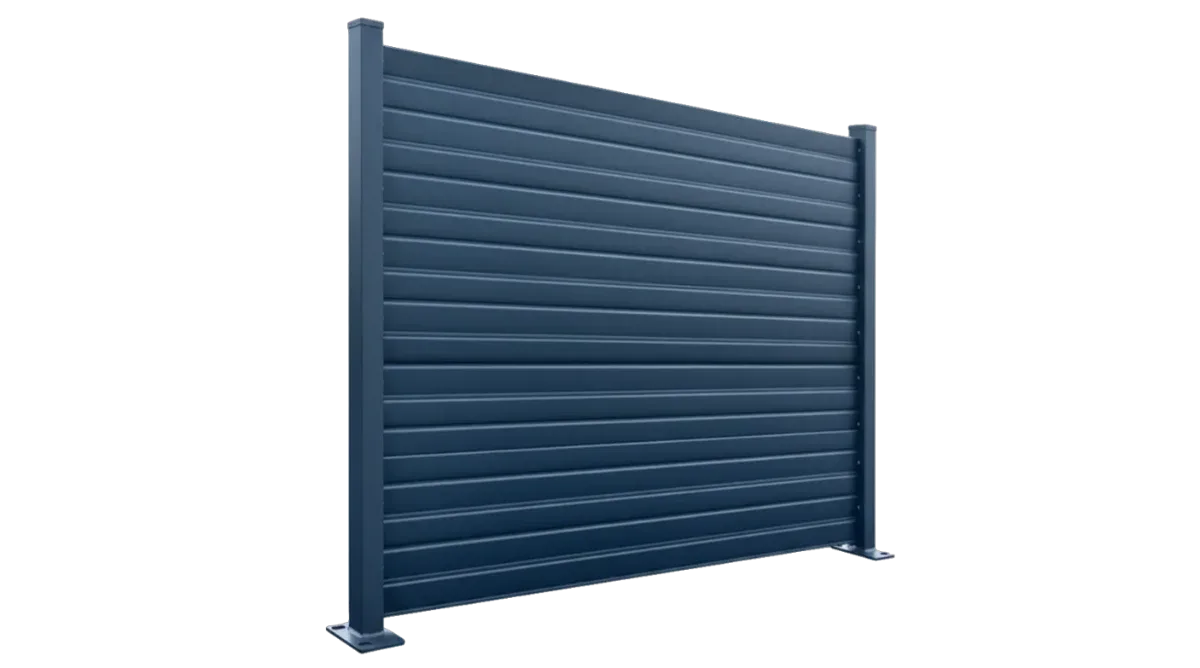
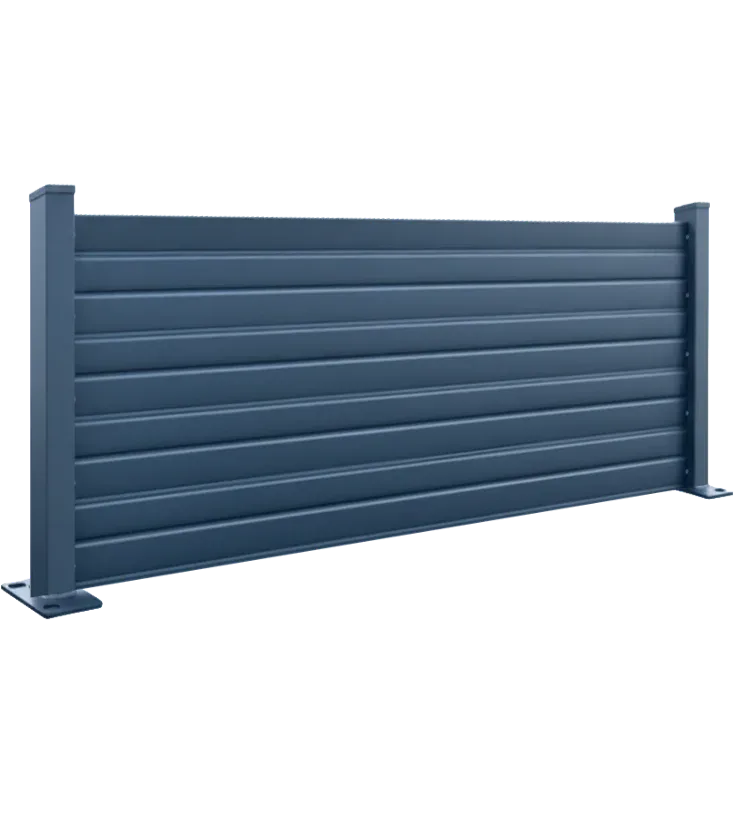
Anthracite grey has become one of the most popular fence colours in residential and commercial projects in recent years. Its dark, matte tone harmonises strongly with modern architecture.
Which buildings does it suit?
On buildings with anthracite frames and white, cream or light grey façades, an anthracite fence creates a rhythmic unity with the façade. It is a strong option for modern villas, commercial buildings and corporate facilities. Anthracite grey is among the standard colour options of our louvre fence model.
Points to watch
Dark surfaces heat up more in the sun. In addition, a very tall, long anthracite fence can make the surface look more closed in small gardens. In this case, lower sections or softening with plants can be preferred.
Green
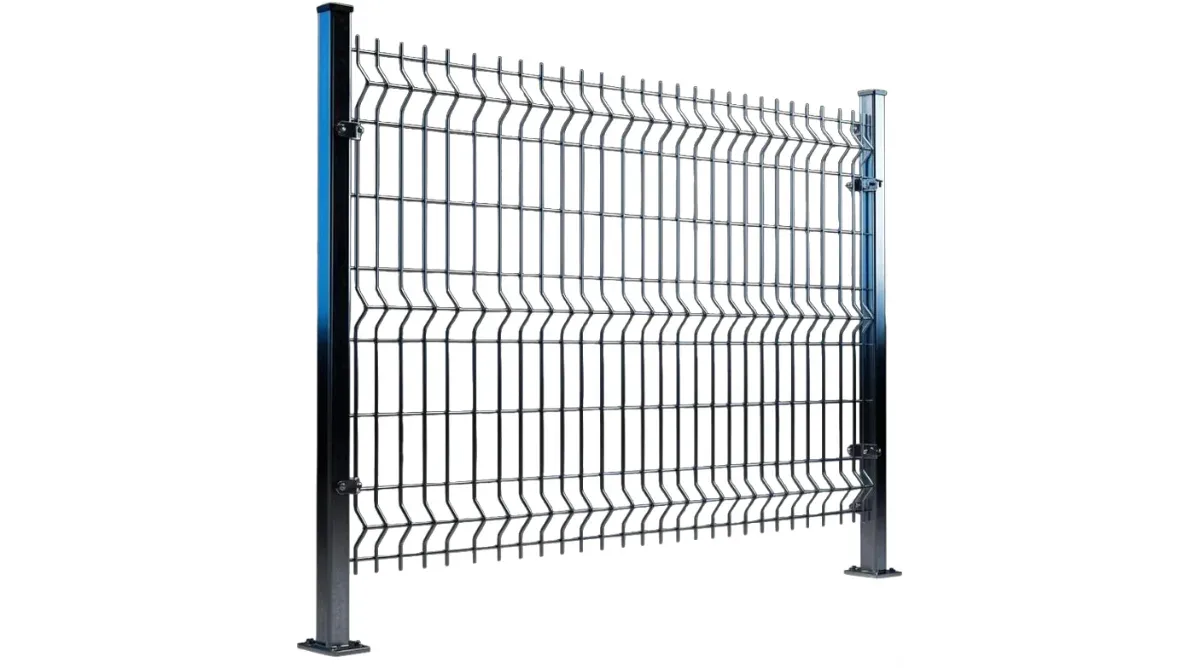
Green is a colour widely used especially for chain-link, panel fence and barbed wire products. Its harmony with nature makes the fence less conspicuous within the landscape.
Where does it stand out?
In natural surroundings such as large gardens, parks, sports areas and farmland, green fences mark the boundary without interrupting the view. PVC-coated chain-link wire and sports field wire fences are often chosen for this purpose. Our barbed wire products also include a green PVC-coated option.
Use with plants
Green panel fences used together with climbers or hedge plants can blend with the plants over time and turn into a natural green wall. They are also commonly used with artificial grass fence for screening.
White
White fences give an airy, clean and classic look. They harmonise elegantly with Mediterranean-style buildings, seaside homes and light-coloured façades.
Advantages
White can make the garden look brighter and larger. It heats up less in the sun than dark colours. When used with classically patterned plastic wrought-iron style fence models, it gives a romantic, decorative look.
In terms of maintenance
Dust, mud splashes and leaf stains can be more noticeable on white surfaces. For this reason, those who choose a white fence may need to clean it a little more often. For cleaning tips, see our guide to fence maintenance and cleaning.
Golden Oak and Wood Look
Wood-look colours are a strong alternative for those who love the warmth of wood but want to avoid its regular maintenance needs. Golden oak is among the colour options of our louvre fence model.
Which buildings does it suit?
On façades with wooden frames, stone cladding or natural textures, golden oak tones complement the warm character of the building. It is a harmonious option for vineyard houses, mountain houses and buildings in natural settings.
Comparison Table
| Colour | Main effect | Suitable buildings | Watch out for |
|---|---|---|---|
| Anthracite grey | Modern, strong | Modern villas, commercial buildings | Heating in the sun |
| Green | Natural, unobtrusive | Parks, gardens, sports areas | Contrast with the façade |
| White | Airy, classic | Seaside homes, light-coloured façades | Dirt shows more |
| Golden oak | Warm, natural | Buildings with wood and stone textures | Harmony with façade tones |
Common Mistakes in Choosing a Colour
Deciding on trends alone
The fact that a colour is popular does not mean it is the best colour for your building. For example, on a façade with warm-toned stone cladding, an anthracite fence may create a harsh contrast rather than harmony. It is sounder to see trends as a source of inspiration but to base the decision on your building's own colour palette.
Choosing the gate and fence at different times
When the fence and gate are bought at different times or from different manufacturers, there can be a difference in tone even if they carry the same colour name. This difference becomes especially noticeable in sunlight. Planning the fence and gate in the same order and with the same paint system reduces this risk.
Not taking the size of the garden into account
In small gardens, a very dark, tall fence can make the space look narrower. On large plots, a very light-coloured fence can blur the boundary when seen from a distance. The scale of the garden directly changes the perceived effect of the colour.
Forgetting existing railings and frames
Balcony railings, window grilles and door frames are seen on the façade at the same time as the fence. If no relationship is established between the colours of these elements and the fence colour, the façade can look disjointed.
RAL Code and Colour Samples
On metal surfaces, colours are usually expressed with standard colour codes such as RAL. For example, anthracite grey is commonly referred to in the sector by the code RAL 7016. However, even the same RAL code can be perceived differently depending on gloss level, surface texture and lighting conditions. For this reason, before deciding, we recommend seeing a physical colour sample next to your façade and frames in daylight, if possible. Colours seen on a screen can differ from the real colour depending on the device's display settings.
Gloss or matte?
Matte surfaces give a more modern, calm look and make small surface imperfections less visible. Gloss surfaces reflect light and make the colour look more vivid. The choice should be made according to the overall language of the façade.
Colour Suggestions by Area of Use
Colour choice is not only an aesthetic decision; the area where the fence is used also affects the colour. The suggestions below summarise the approaches that stand out in different areas of use.
Detached houses and villas
In homes, colour is directly related to the façade. Anthracite grey stands out for villas with modern façades, white for classic or seaside-style buildings and golden oak for buildings with natural textures. If you want to compare your options by model, see our guide to garden fence models.
Residential complexes and apartment buildings
In shared areas the colour decision is usually made by the management, and neutral tones that harmonise with the façade colours of the buildings are preferred. Using a single colour on long perimeter lines gives an orderly appearance.
Factories and commercial facilities
At corporate facilities, the fence colour can be related to the company's corporate identity and the building façade. Anthracite grey gives a professional, strong look on front façades, while green or galvanized-look solutions can be preferred on long rear sides.
Schools, parks and sports areas
In areas open to the public, green stands out for its harmony with the surroundings and its unobtrusive look. In these areas it is as important for the fence to be safe and easy to maintain as it is for it to be the right colour. For details, see our article on fences for schools and public buildings.
Colour Unity Across Fence, Gates and Accessories
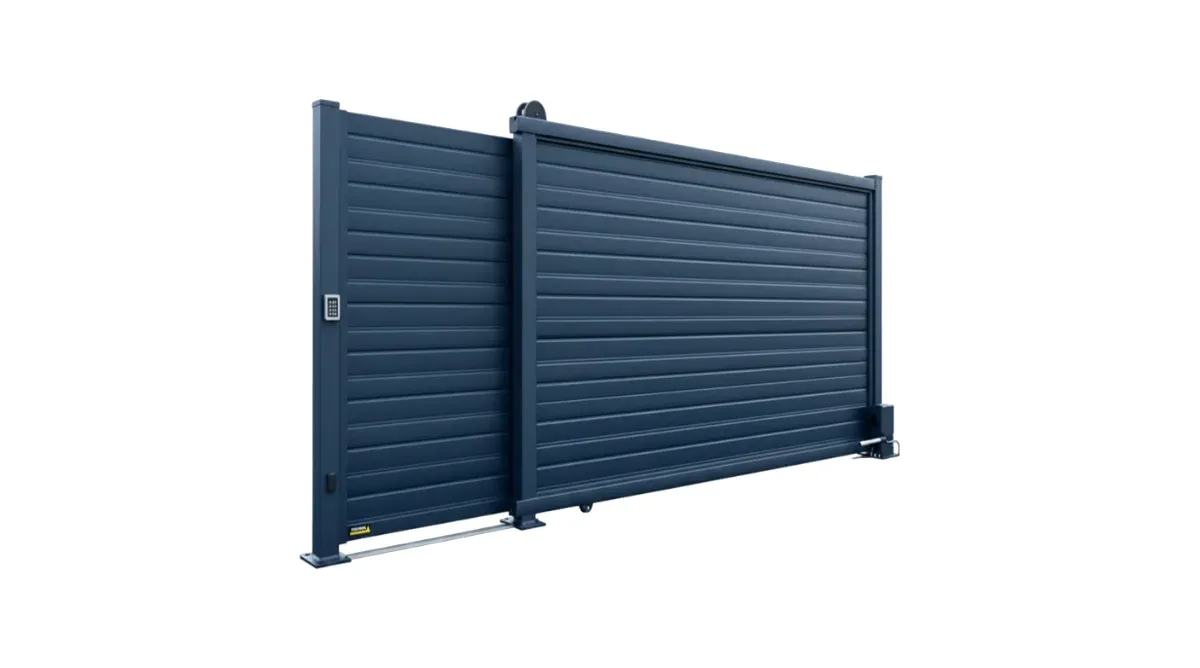
Once the fence colour has been decided, choosing gates, post caps and fittings in the same or a matching colour strengthens unity. Louvre gate models that match the fence or, for a more decorative entrance, CNC laser-cut gate models can be planned in the same colour language. If you want the gate and fence colours to differ, it is recommended that this difference be a conscious design choice linked to other elements of the façade.
Frequently Asked Questions
What is the most popular fence colour?
In recent years anthracite grey has been among the colours that stand out in residential and commercial projects; it is often chosen because it harmonises strongly with modern façades. Green is preferred in natural surroundings and for wire fence systems, white among those who want a classic, airy look, and golden oak among those who love the texture of wood. However, the most suitable colour is determined by your building's façade, frames and garden landscaping.
Does a dark fence cause problems in the sun?
Dark surfaces heat up more in the sun than light colours. Although this is not a problem for the fence itself, it is a factor to consider if you are planning a seating area or children's play area next to the fence. Quality electrostatic powder coatings also play an important role in colour retention against UV rays.
Should I choose the same colour for the fence and the gate?
In most projects, having the fence and gate in the same colour gives a unified, orderly look. However, highlighting the gate with a different colour can also be a conscious design choice. In this case, relating the gate colour to another element on the façade, such as the window frames or the front door, prevents a mismatched look.
Can I decide without seeing a colour sample?
Colours on a screen can look different from the real colour depending on the device's settings. In addition, the same colour is perceived differently in daylight and in shade. For this reason, we recommend seeing a physical colour sample next to your façade if possible. We can evaluate the colour options together during the survey.
Does a white fence get dirty quickly?
Dust, mud splashes and leaf stains can look more noticeable on white surfaces than on dark colours. This does not mean the fence wears out faster; it may simply need more frequent care to look clean. Periodic cleaning with water and a soft cloth is usually enough to keep a white fence looking good.
When deciding on colour, it is also helpful to get the views of family members and, if there is one, the complex management; because the fence is the surface you see every day when leaving and returning home, and the first thing your neighbours and guests encounter. A colour chosen by joint decision gives a result everyone is happy with in the long term.
The right fence colour is the one that brings out the character of your building and that you will not tire of over the years. By considering your façade, landscaping, sun and maintenance expectations together and seeing the colour sample on site, you can make this decision with confidence. To evaluate colour and model options together, contact us; let us determine the most suitable tones for your building together during the survey.
Get a free site survey and price quote for your project.
Message Us on WhatsApp