How to Measure for a Fence: A Step-by-Step Preparation Guide Before the Survey
The way to get a fast and accurate quote for a fence project is to give the company complete information. How to measure for a fence is a question often asked, especially by homeowners and facility managers having a fence built for the first time. In this guide we explain step by step the measurements and information you can collect yourself before the on-site survey. This preparation makes the survey team's work easier, helps determine the right system for you more quickly and brings the quote closer to your real needs. Remember that the exact measurements and installation details are always confirmed by an on-site survey; the aim here is to make a correct start.
Why Should You Take Preliminary Measurements?
Preliminary measurements give you a rough idea of the budget, let you compare different systems and help you ask the right questions on survey day. They also help the company understand your project better during the first contact via WhatsApp or the quote form.
The limits of preliminary measurements
The measurements you take yourself may not fully reflect technical details such as ground structure, height differences, hidden utility lines or wall strength. For this reason, preliminary measurements should be seen as the first step of planning, not as final production measurements.
Step 1: Prepare the Tools You Need
You do not need many tools to take measurements; but the right tools make the job easier.
- A long tape measure or a measuring wheel
- Paper and pen, or a notes app on your phone
- Stakes, spray paint or chalk to mark corners and gate points
- A phone for taking photos
- If possible, a long straightedge or spirit level to see the slope
For large plots, the title deed or zoning sketch of the plot is a useful source for checking the measurements.
Step 2: Define the Fence Line and Draw a Sketch
Before you start measuring, you need to determine exactly where the fence will run. This is particularly important at points such as neighbour boundaries and the road frontage.
Draw a simple sketch
Draw a simple sketch showing your plot from above. Mark the position of the house, the line the fence will follow, the corner points and the approximate location of the gates on this sketch. The sketch does not need to be to scale; what matters is that all the lines and corners are visible.
Clarify the boundaries
On shared boundaries, clarify in advance whether the fence will be built inside your plot or exactly on the boundary. Talk to your neighbour if necessary. For a general framework on this topic, you can read our article on permits and neighbour boundaries in fence construction.
Step 3: Measure the Total Length Section by Section
Measuring the fence line as sections between corners rather than as a single length gives a more accurate result.
Number the sections
Number each straight section on your sketch and measure the length of each one separately. For example, “section 1: street frontage”, “section 2: left neighbour boundary” and so on. This method also makes things easier if you want to use different systems on different sections.
Note the number of corners
Corner points affect the number of posts and the fittings. Note how many corners there are and their approximate angle. Right-angled corners and wide-angled corners may require different connection details.
Take care when measuring
Over long distances it is important to keep the tape measure taut and straight. A sagging tape will give you a measurement longer than the actual length. If possible, take the measurement twice and compare.
Step 4: Determine Gate Points and Widths
Gates are the part of a fence project that requires the most attention. If gate positions and dimensions are not determined correctly, the rest of the fence is affected too.
Pedestrian gate
Note the position of the pedestrian gate and the width you want. If garden equipment, bicycles or a pushchair need to pass through, plan the width accordingly.
Vehicle gate
At the vehicle entrance, think about the clear passage width and whether the gate will be swing or sliding. For sliding gates you also need to measure the length of the free space where the gate will sit when open. For swing gates, it is important that the area where the leaves open is clear. We compare the differences between these two types in our article on sliding or swing garden gates.
Automation plan
If you want the vehicle gate to be automatic in the future, the position of the motor and the electrical line should be thought about in advance. You can review options suitable for different gate types on our automatic gate motors page.
Step 5: Collect Ground and Slope Information
The ground determines how the fence will be fixed. The slope affects whether the fence will be installed in steps or follow the slope.
Ground type
Note whether the ground along the fence line is soil, concrete, asphalt, rock or fill. If part of the line runs along a wall, measure the height and width of the wall. Flanged posts are used for wall-top installation; you can find the details in our railing installation guide.
Slope
On sloping sections, try to determine the approximate height difference between the start and end points. To do this, you can stretch a string, level it with a spirit level and measure the distance from the string to the ground. Slope information is important for planning the steps.
Hidden utility lines
If water, gas, electricity or irrigation pipes run along the fence line, be sure to note them. These lines must not be damaged when digging for the post foundations.
Step 6: Take Photos and Video
Photos let the survey team understand your project in advance. We recommend photographing the following:
- A general view of each section of the fence line
- Corner points and gate locations
- Existing walls, old fences or boundary stones
- Sloping sections
- The façade of the house (for colour and model matching)
A short video taken while walking the line from start to finish is also very useful for showing the overall situation.
Step 7: Note Your Needs and Preferences
As well as the measurements, writing your expectations down in short notes helps the quote be prepared to suit you better.
System preference
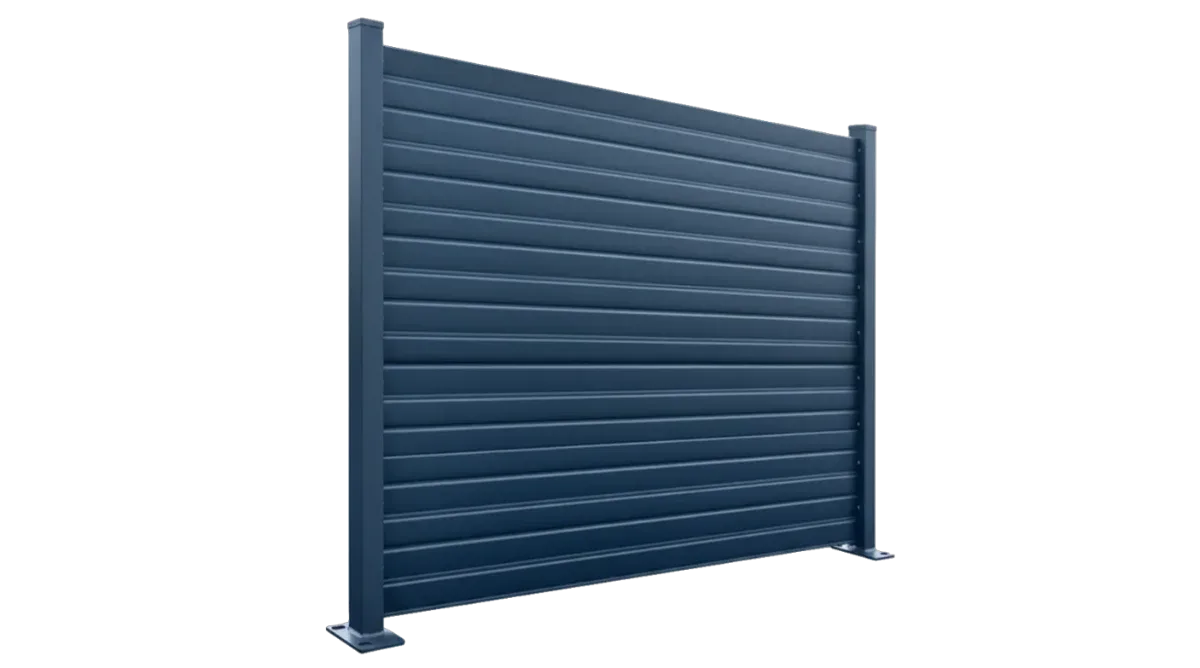
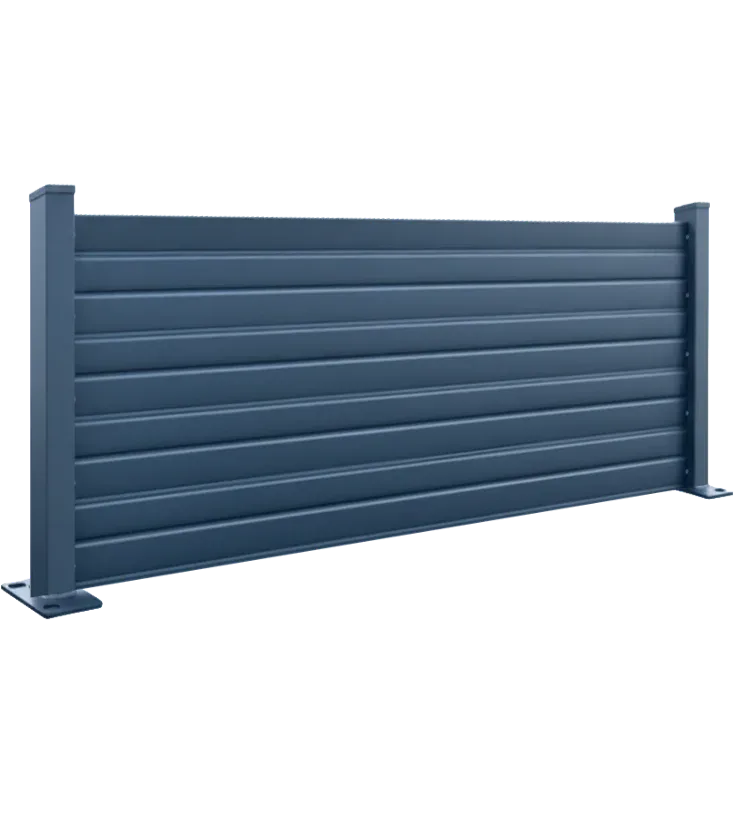
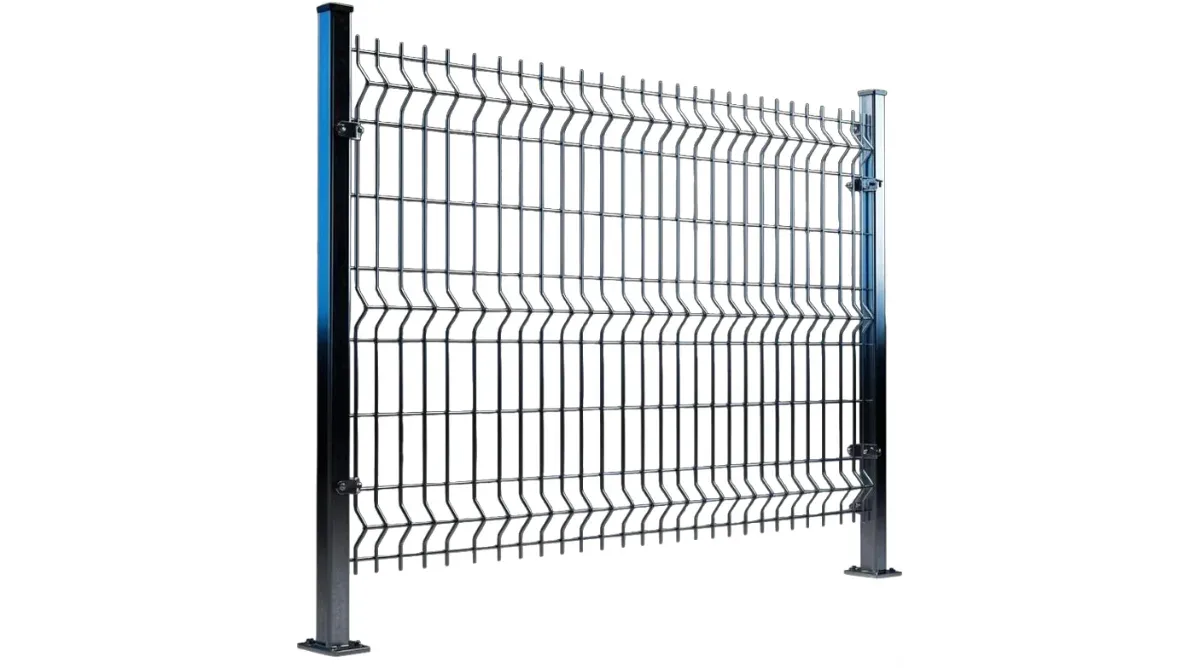
State your preferences, such as louvre fence if you want privacy, panel fence if you want to mark the boundary with a transparent look, or plastic wrought-iron style fence if you want a decorative entrance. If you have not decided yet, you can write that too; we will evaluate it together during the survey.
Colour and height
Note the colour and height you have in mind. If you are unsure about height, our article on how to choose fence height can guide you.
Common Mistakes When Measuring
Some mistakes made during preliminary measuring can make the quote drift away from your real needs. Knowing these mistakes helps you make a sounder start.
Giving a single total length
Giving the whole perimeter of the plot as a single number hides the number of corners and the gate points. Yet the number of posts, fittings and the need for steps vary by section. For this reason, giving measurements section by section is always more accurate.
Including the gate width in the fence length, or forgetting it
In sections with gates, the fence length and the gate width must be stated separately. If the gate width is not subtracted from the fence length, the fence is calculated longer than necessary; if the gate is not stated at all, the entrance points are not included in the quote.
Not stating the difference between wall and ground
If on the same line one section runs over a wall and another directly in the ground, it is important to state this difference. Wall-top and ground installation require different post types and fixing methods.
Forgetting the removal of the old fence
If an existing fence, wire or section of wall is to be replaced, this must be stated at the quotation stage. The need for removal and waste disposal can affect the installation plan.
Mixing up units of measurement
Noting section lengths in metres and gate widths and wall dimensions in centimetres, and stating this clearly, prevents confusion. Make it a habit to write the unit next to each measurement when taking notes.
How Should You Send the Information to the Company?
Sending the information you have collected in a single, well-organised message helps the process move quickly. It is enough for your message to include:
- Project address or district
- Sketch and section lengths
- Corner and gate information
- Notes on ground, walls and slope
- Photos and, if available, video
- System, colour and height preferences
You can send this information via the quote form on our contact page or our WhatsApp line. After a preliminary assessment, our team will contact you for a free on-site survey.
What Awaits You on Survey Day?
During the survey, the team checks the preliminary measurements you took on site, examines the ground and wall condition and finalises the gate positions together with you. Model and colour options are discussed and your questions are answered. After the survey, a made-to-measure quote is prepared. If you would like information about our production and quality processes, take a look at our quality page.
Measurement Preparation for Different Project Types
The scope of measurement preparation varies with the type of project. Although a small garden and a large industrial plot are measured with the same method, the information that needs to be collected differs.
Detached houses and villas
In residential projects, as well as section lengths, photos of the house façade and the areas of garden use are important. Which part of the fence faces the street and which faces the neighbour directly affects the choice of model. To compare options, see our guide to garden fence models.
Residential complexes and housing estates
Because the perimeter line of complexes is long, the site plan is the most reliable source. Site entrances, car park entrances, pedestrian gates and common areas should be marked on the plan.
Industrial and warehouse areas
On industrial plots, the width of vehicle entrances, gate weight and the need for top security should be added to the measurement notes. In such projects, carrying out the survey together with the facility's site plan speeds up the process.
Frequently Asked Questions
Can I request a quote without taking preliminary measurements?
Yes, preliminary measurements are not mandatory. A free on-site survey can be arranged when you give your address and briefly describe your needs. However, sharing the approximate length, number of gates and a few photos makes the first contact more productive and helps the right system for you be determined more quickly. Preliminary measurements are particularly useful when you want to compare different options.
Will production be based on measurements I took myself?
We recommend that measurements be verified on site before made-to-measure production. The measurements you take yourself are valuable for planning; but details such as slope, corner angles, wall condition and ground structure can affect production measurements. For this reason, the final measurements are taken by our team during the survey.
How should I measure on sloping land?
On sloping land it is helpful to note separately the horizontal length of the fence line and the height difference between the start and end points. To do this you can stretch a string, level it with a spirit level and measure the distance from the string to the ground. This information is used to decide whether the fence will be installed in steps or follow the slope.
How should I determine the gate width?
For a pedestrian gate you should consider your daily use, and for a vehicle gate the width of your vehicle and the manoeuvring space. For sliding vehicle gates, the free space where the gate will sit when open must also be measured. If there is a possibility of a larger vehicle or machinery entering in future, planning the width accordingly prevents changes later.
What information can I send via WhatsApp?
You can send your project address, a photo of the sketch, section lengths, gate information, photos of the fence line and your preferences via WhatsApp. A short video is also very useful for showing the overall situation. After a preliminary assessment, our team will contact you to plan the survey.
A good start is half of a successful fence project. When taking fence measurements, measuring sections separately, noting gate and ground information and supporting it with photos speed up both the quotation and the installation process. When you send us the information you have prepared, we can quickly plan a survey to evaluate your project together on site.
Get a free site survey and price quote for your project.
Message Us on WhatsApp